

The International Rare Diseases Research Consortium (IRDiRC) participated in the 2026 edition of World Orphan Drug Congress (WODC) USA in Boston (MA, USA), contributing to discussions focused on accelerating innovation […]
Read MoreThe 2nd International Conference on Clinical Research Networks (CRNs), organised by the European Rare Diseases Research Alliance (ERDERA), Rare Diseases International (RDI), and IRDiRC, brought together the global rare disease community to […]
Read MoreEarlier this year, members of the seven IRDiRC committees gathered in Sofia, Bulgaria for the annual IRDiRC Consortium Assembly and Scientific Committees (SC-SC) Meeting. Over two days, discussions focused on […]
Read More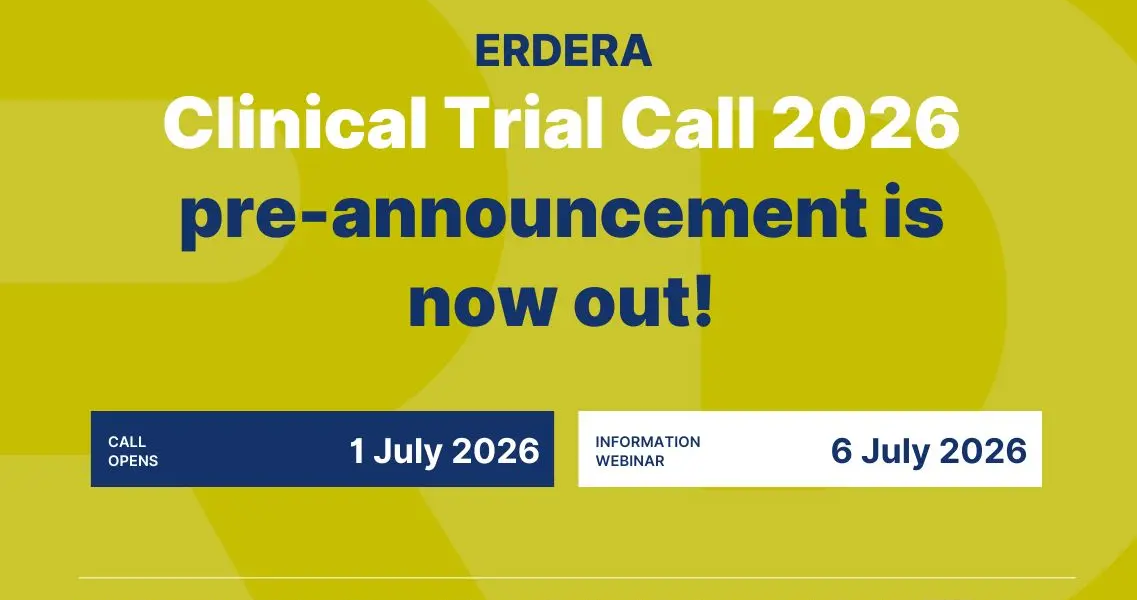
ERDERA will open its Clinical Trial Call 2026 (ECTC) on 1 July 2026 to support multinational, GCP‑compliant Phase I, Phase I/II and Phase II interventional clinical trials in rare diseases. This call aims to generate robust […]
Read More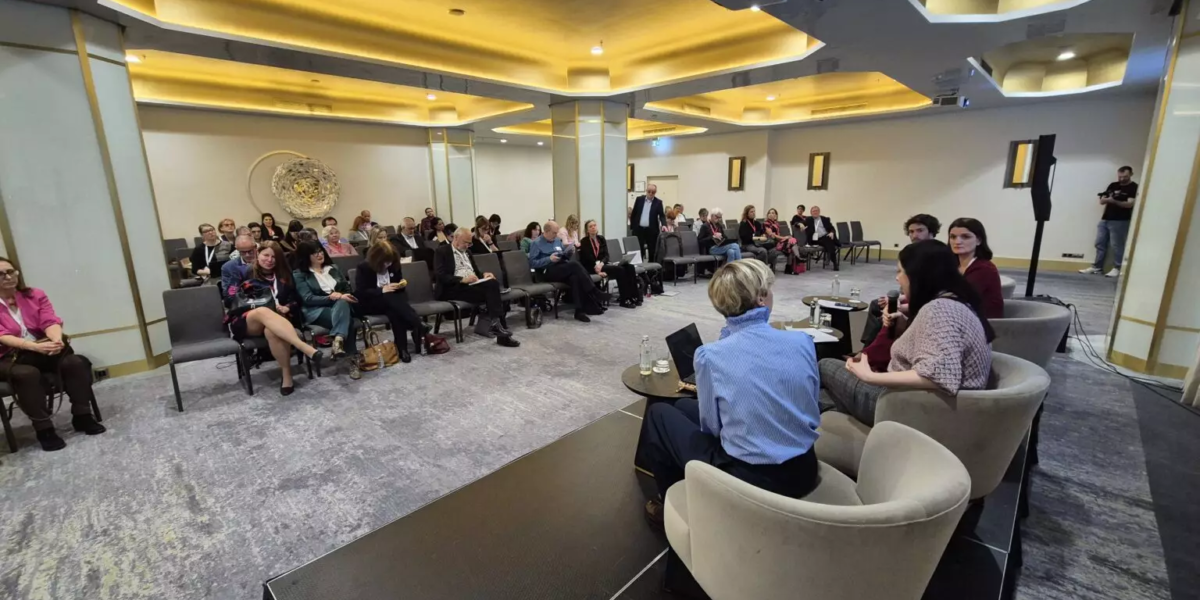
Researchers, policymakers, patient advocates, and healthcare leaders from across Europe and beyond convened in Sofia, Bulgaria in March, for the European Rare Diseases Research Alliance (ERDERA) National Mirror Groups (NMG) […]
Read More
A new publication from the International Rare Diseases Research Consortium, “Rare disease preparedness: the time is now“, published in Rare Disease and Orphan Drugs Journal, calls for urgent, coordinated global action […]
Read More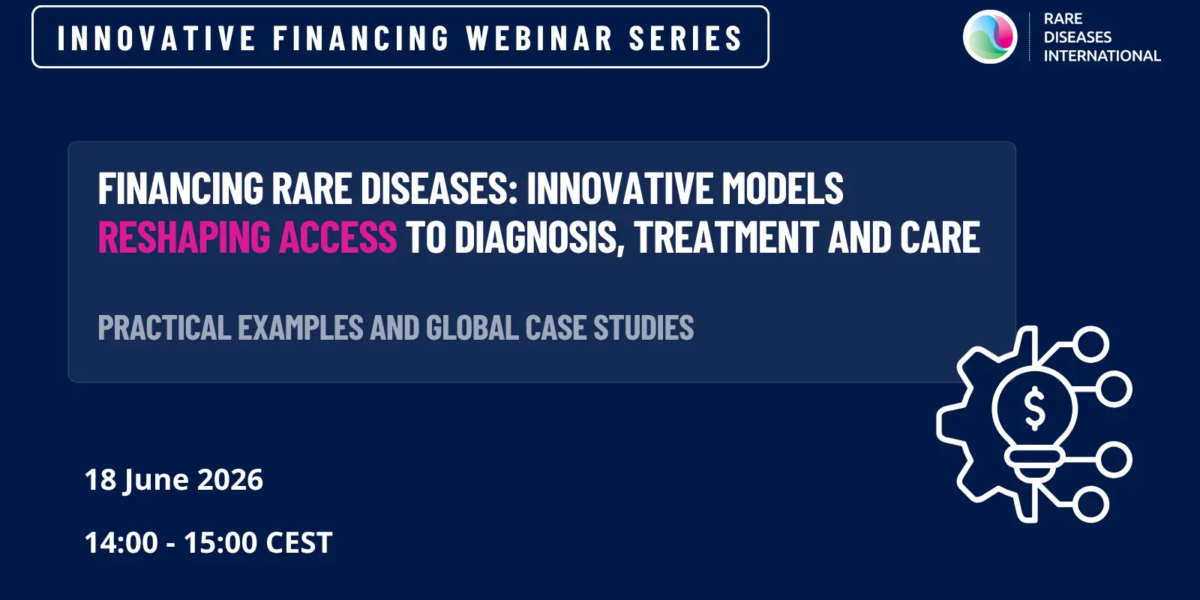
Scientific and medical advances in rare diseases continue to accelerate — but equitable access to diagnosis, treatment, and care remains out of reach for millions of people living with a […]
Read More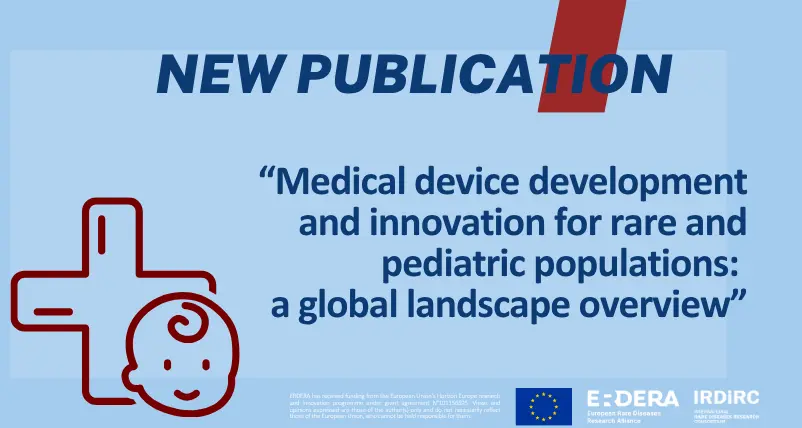
Medical devices for rare diseases are becoming increasingly important as healthcare innovation expands beyond orphan drugs and biologics. Emerging technologies such as digital remote monitoring systems are creating new opportunities […]
Read More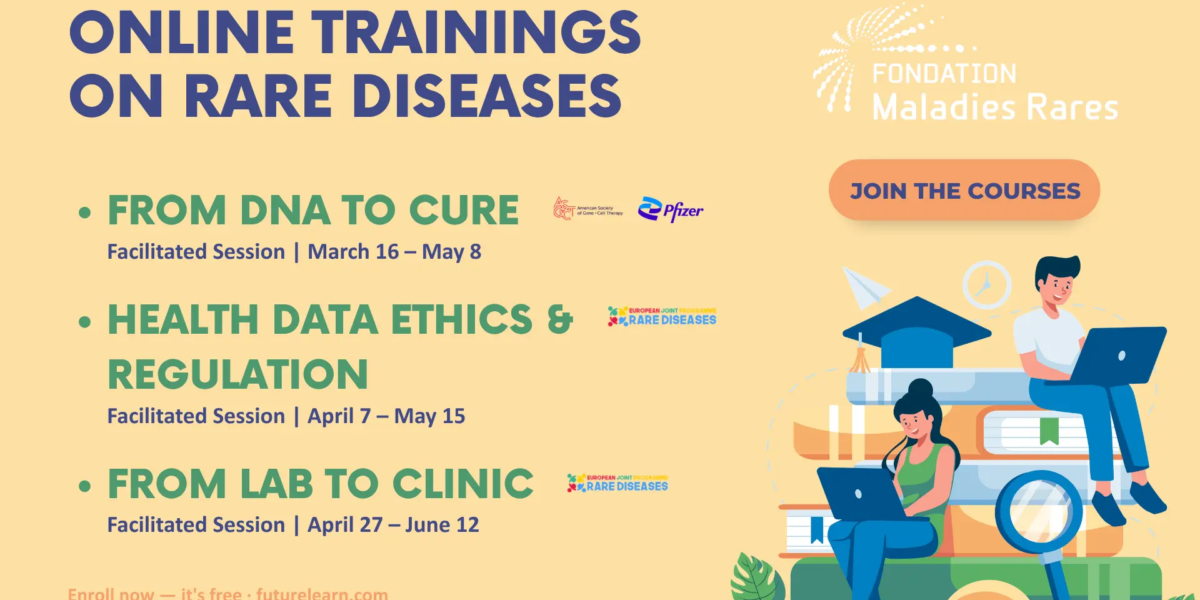
The Foundation for Rare Diseases has developed a series of three online courses with European and international partners to better understand innovative therapies, health data, and translational research in the […]
Read More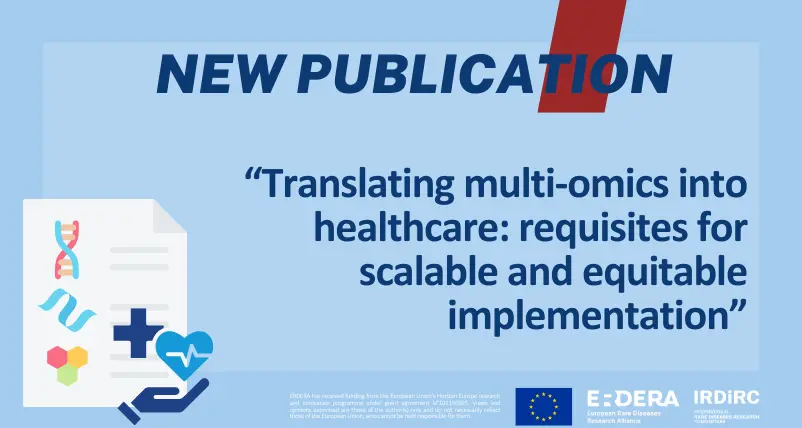
We are pleased to share a new publication produced by the IRDiRC Functional Analysis Task Force, highlighting the growing impact of multi-omics in advancing rare disease research and precision medicine. […]
Read More