
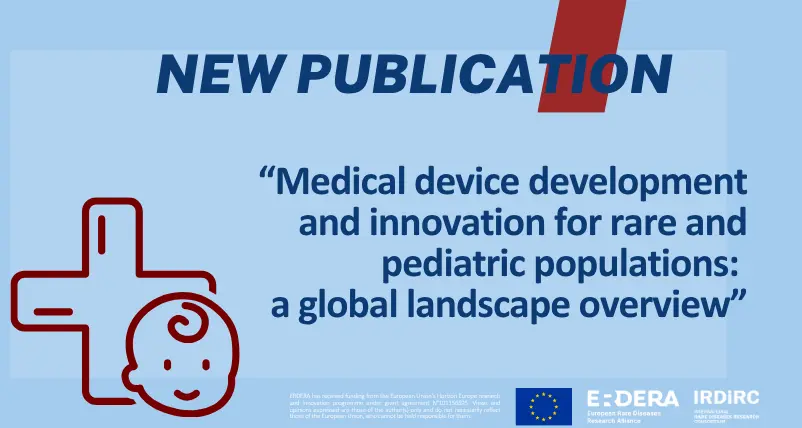
Medical devices for rare diseases are becoming increasingly important as healthcare innovation expands beyond orphan drugs and biologics. Emerging technologies such as digital remote monitoring systems are creating new opportunities for prevention, diagnosis, treatment, and long-term disease management. Despite these advances, only a small percentage of rare diseases currently have approved orphan devices. This growing gap highlights the urgent need for greater investment and innovation in rare disease medical technologies.
Regulatory frameworks supporting orphan device development vary significantly across regions around the world. The United States offers pathways such as the Humanitarian Device Exemption and pediatric innovation programs to accelerate development for underserved populations. Japan and China have also introduced designation criteria and conditional approval systems to encourage innovation in this field. Europe currently lacks dedicated orphan device legislation, although guidance initiatives and collaborative programs continue to support progress.
Patient engagement has emerged as a critical component of successful orphan device development and implementation. People living with rare diseases provide valuable insights that help shape research priorities, study design, testing, regulatory review, and post-approval monitoring. Their participation ensures that devices are designed to address real-world challenges and improve patient outcomes effectively. Strong collaboration among patients, researchers, clinicians, regulators, and industry leaders can lead to more accessible and patient-centered solutions.
The future of orphan medical devices depends on stronger international cooperation and greater harmonization across regulatory systems. Continued advancements in technology, combined with collaborative research and patient involvement, can accelerate the development of tailored solutions for rare disease communities. Expanding support for pediatric and rare disease device innovation may significantly improve quality of life for millions of patients worldwide. With sustained global commitment, orphan devices can become a transformative force in rare disease healthcare.
Read the new publication produced by the IRDiRC Working Group on MedTech for Rare Diseases: https://link.springer.com/article/10.1186/s13023-026-04351-0